Why ULC‑Listed Fire Alarm Panel Monitoring Is a Must‑Have for Your Commercial Property
The Hidden Gap in Fire Safety
Your new commercial building is finally nearing completion. The fire alarm system is installed. The strobes flash and the horns sound during testing. The electrical contractor signs off. You likely assume the most important part is handled: if there is a fire, the fire trucks will come.
In many cases, that assumption is wrong.
Most fire alarm systems are "local" systems. They are designed to detect smoke or heat and alert people inside the building to evacuate. However, they do not automatically notify the fire department. Without a dedicated monitoring connection, your building relies on a bystander or an employee to call 911. In a high-stakes emergency, every second counts.
At A1 Security Systems, we specialize in closing this "dispatch gap." For commercial properties in Burlington and the GTA, this isn't just a safety recommendation. It is often a legal requirement.
What is ULC-S561 Monitoring?
In Ontario, fire monitoring is governed by the
CAN/ULC-S561 standard. This is a rigorous technical protocol designed to ensure that a fire signal reaches the fire department with 100% reliability. A ULC-S561 system has the following elements:
- Transmitter: fire events are captured and sent to a 24/7‑staffed monitoring station
- Power: dedicated power and backup keep the fire monitoring service running even when there is a power outage.
- Communication line security: supervised communication paths ensure fire signals get through, and trigger a warning if the line is ever lost.
- Signal Receiving Centre: the monitoring station that handles every life‑safety signal.
- Signal handling: fire alarms are dispatched to the fire department within seconds.
Understanding the Legal Requirements in Ontario
In Ontario, the Building Code and the Fire Code dictate which buildings must have ULC-S561 monitoring. Examples of buildings that require monitoring include but are not limited to: restaurants, community centres, libraries, office towers, places of worship, arenas, theatres, educational institutions, golf clubs, retirement homes, care and treatment facilities such as hospitals, government buildings, and high-hazard industrial buildings.
Even if your building does not fall into these categories, the Authority Having Jurisdiction (AHJ) may require it.
The Role of the "Authority Having Jurisdiction" (AHJ)
The AHJ is typically the local fire inspector or building official. They have the power to refuse an occupancy permit if the fire alarm panel monitoring is not up to ULC Listing requirements.
At A1 Security, we work directly with the Building Owner, General Contractor, Engineer, Architect and Consultant to ensure you are prepared for occupancy.
The "Calm Control" Approach to Fire Emergencies
When a fire alarm goes off, the atmosphere is chaotic. Employees are panicking, and the noise is deafening. This is not the time to hope your phone lines are working.
Our ULC fire alarm monitoring provides what we call "Calm Control."
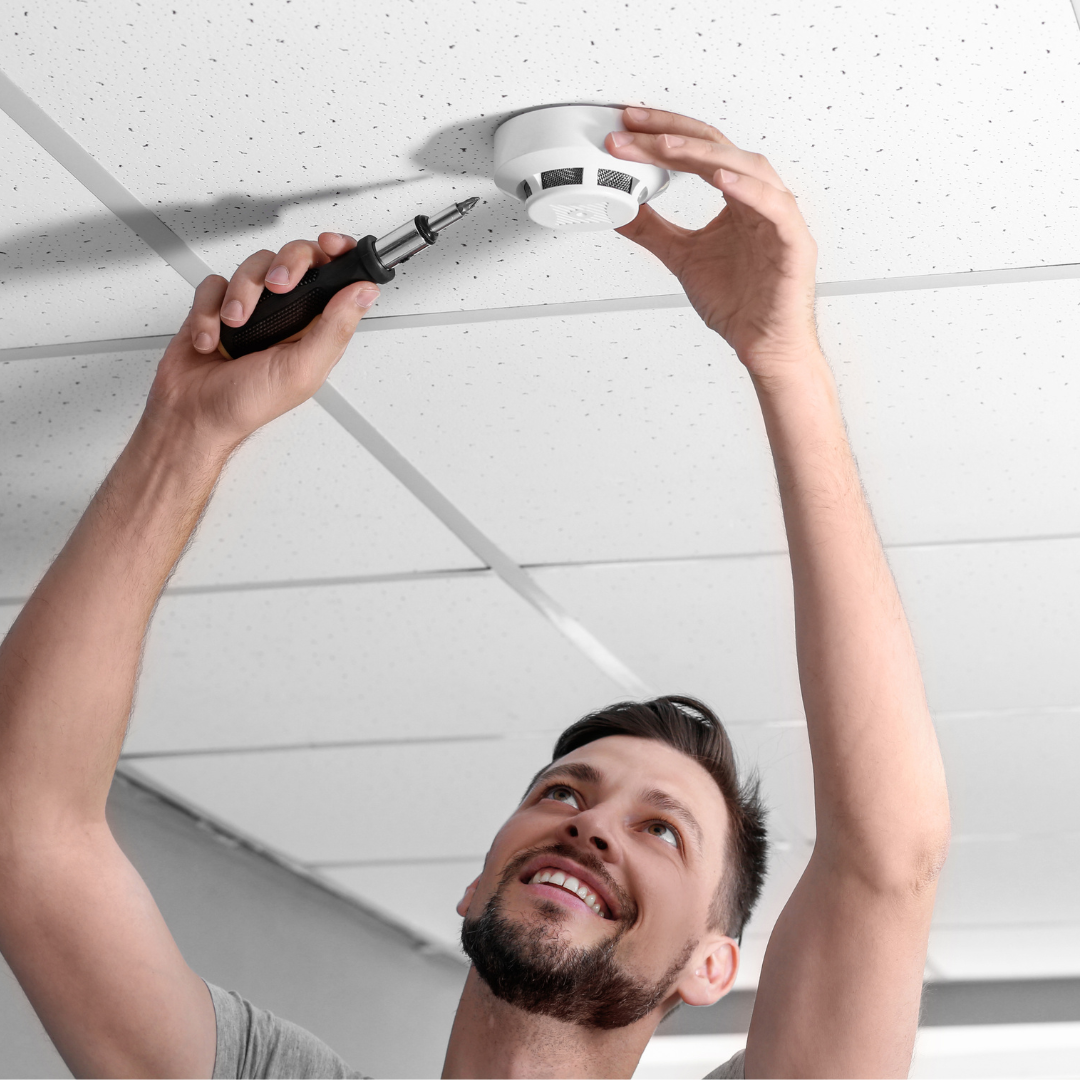
- Detection: As part of the fire alarm, a smoke detector or pull station is activated.
- Instant Signal: The ULC Fire Alarm Panel Monitoring sends an encrypted signal via dual paths.
- Human Response: Our monitoring professionals receive the signal in seconds.
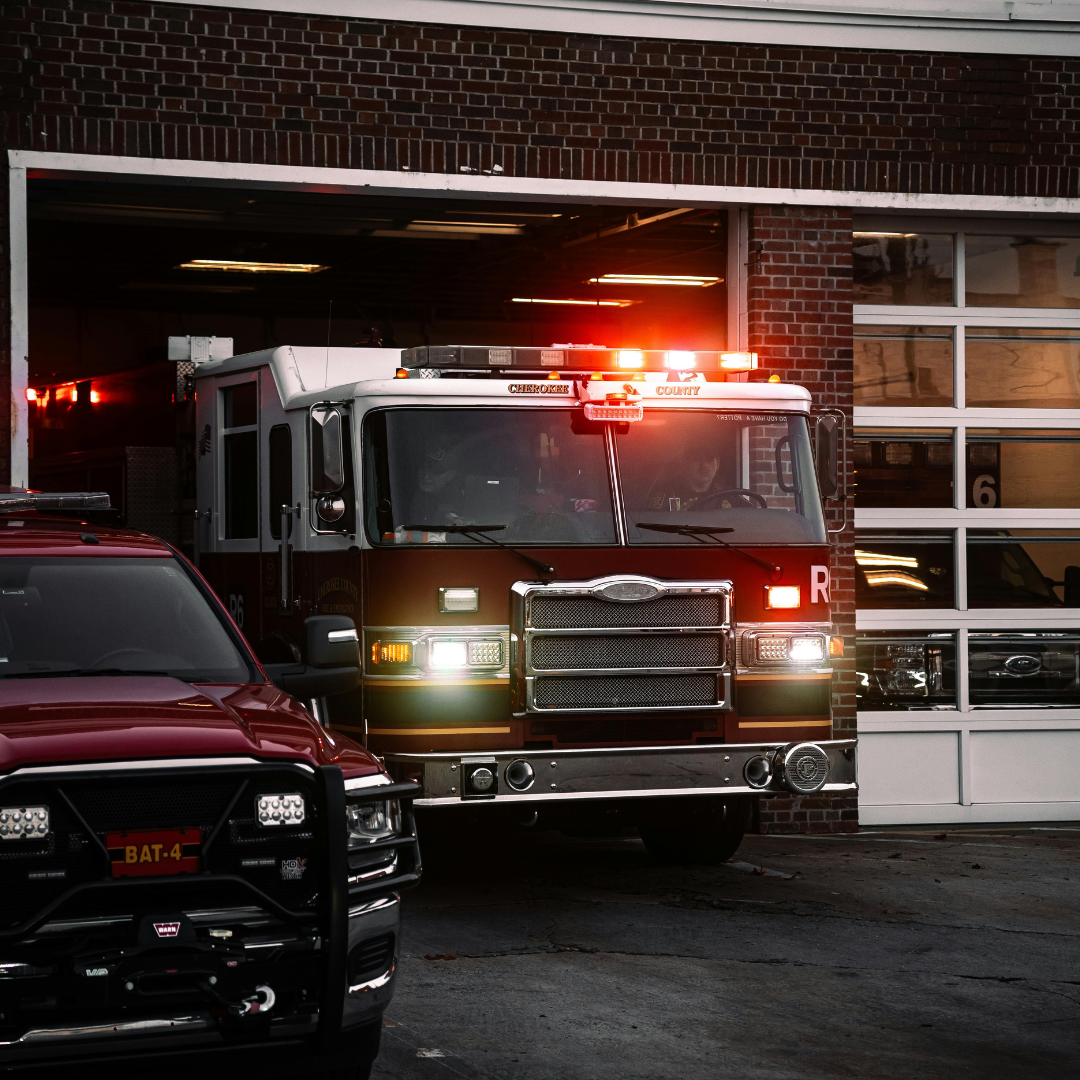
- Dispatch: The fire department is notified immediately, often before anyone in the building has even picked up a phone.
This automated process removes human error from the equation. It ensures that the professionals from the Fire Department are on their way while your team is still focusing on a safe evacuation.
Mitigating False Alarm Fines
In Halton Region, false alarms are a major concern for emergency services. If your system is poorly maintained or improperly monitored, you can face significant municipal fines. These fines can reach hundreds of dollars per incident.
A ULC Listed Fire Alarm Panel Monitoring System includes appropriate tests and inspections to minimize these errors. We help you stay compliant and with the hope of avoiding unnecessary costs.
Why Local Expertise Matters
You could buy a security service plan from a massive telecom company. However, if there is a problem, you will likely end up in a phone queue talking to someone in a different time zone. They won't know the specific requirements of the Halton Region.
A1 Security Systems is located right here at 5195 Harvester Road. We are your neighbours. When you call us, you speak to an expert who knows your building and your community. We understand the local climate and the specific challenges of applicable codes.
Final Thoughts: Is Your Building Truly Protected?
Fire safety is not a "set it and forget it" task. It requires constant vigilance and professional oversight. If you are unsure if your current system meets the CAN/ULC-S561 standard, now is the time to check.
Don't wait for an insurance audit or a fire inspector’s visit. Contact A1 Security Systems today. We will perform a thorough review of your fire alarm connection. We will help you close the "dispatch gap" and ensure your property is a safe place to work and do business.
Let’s talk so we can figure out exactly what’s possible and what’s worth protecting.
Frequently Asked Questions
What is ULC‑listed fire alarm panel monitoring?
ULC‑listed fire alarm panel monitoring is a certified service that connects your fire alarm panel and sprinkler supervision to a 24/7 monitoring station. When the panel goes into alarm, signals are sent and handled according to CAN/ULC‑S561, which is the national standard for fire alarm monitoring in Canada.
Who is the AHJ for my building?
The “authority having jurisdiction” (AHJ) is usually your local fire prevention office, your municipal building department, and your insurer or risk engineer. Any of them can require ULC‑listed monitoring if code, local policy, or underwriting calls for it.
Does A1 install fire alarm systems or just monitor them?
A1 does not install base fire alarm systems or pull stations. We work with your fire alarm contractor. Our role is to install and maintain the ULC‑approved monitoring equipment, connect your panel to a ULC‑certified monitoring station, and issue the CAN/ULC‑S561 certificate.
How do I know if my building needs CAN/ULC‑S561 monitoring?
The CAN/ULC‑S561 monitoring requirement varies between building types. Check with the Authority Having Jurisdiction.
What happens if monitoring is removed after occupancy?
If CAN/ULC‑S561 monitoring was part of the approved design or occupancy conditions, cancelling it later becomes a code compliance issue. The fire department, building department, or insurer can treat it as a serious deficiency. That is why it is important to keep monitoring in place and keep your certificate current.
A1 Security Systems is a security solutions provider that works with business owners who want to protect their property and their people. We ensure their security 24/7 so they feel safe and comforted in the knowledge that our dedicated security team has got their back. Unlike our competitors we don’t force our clients into long term contracts, and we can handle complex security requirements throughout Canada. Read more about our services on https://www.a1securitysystems.ca/

