Moving Into a New Commercial Space? Check These Security Gaps First
Most business owners inherit their biggest security gaps rather than create them. The problem is, you may not know they're there until something goes wrong.
Moving into a new commercial space is exciting. You've signed the lease, you're setting up your team, and you're ready to get to work. But before you assume the building is secure, there are a few things worth checking.
The previous tenant may have left behind an alarm system designed for a completely different business. Your doors may still work with keys that were handed out years ago. A construction lockbox could still be sitting on an exterior door. And in a multi-tenant building, you may not know who has access to shared spaces or what happens to your business if another tenant has an emergency, such as a fire.
After more than 30 years working with business security systems, we've seen how easily these details get missed. Let's look at the gaps most often overlooked across commercial buildings in Burlington and Hamilton, starting with the risks that come with whatever the last tenant left behind.
Why Inherited Space Means Inherited Risk
When a new owner takes over a building, there's a temptation to reuse whatever security solution is already there. Maybe some wiring still works, or some sensors are still mounted. You don't know if one security service is better than another, so it seems logical to save money where you can.
However, security solutions aren't like electrical work. An electrician follows a strict code, but, generally, the security industry doesn't work that way. It's mostly unregulated, which means the last tenant's business security solution was built around their business, not yours.
In our experience, it's almost always better to start fresh. That doesn't mean every wire gets ripped out of an existing alarm system. However, if we are installing new security cabling, we can also assist with other low voltage or network cabling. That may be a more cost-effective cabling strategy. The important point here is that the security solutions have to match how you actually operate, not how the last tenant operated.
This same inherited risk shows up in alarm monitoring contracts. We've seen monitoring systems left sitting in a previous tenant's name long after they've moved out. If that happens to you, the fix is to have a security professional downpower or remove the old system and cancel your monitoring services in writing the moment your lease ends, even if that's noon on a Friday. If you don't, and the new tenant sets off a false alarm, you're the one on the hook.
The Multi-Tenant Blind Spots Nobody Asks About
If you're in a multi-tenant commercial property, there's another layer of potential threats you might never think to ask. What time do the common doors lock? Who checks the building after hours? Who confirms that nobody's hiding in the bathroom after hours? Who makes sure the common telecommunications rooms or storeroom is actually locked? Is there a security guard service on site? The reality is, typically it is the tenant's responsibility to secure their own space.
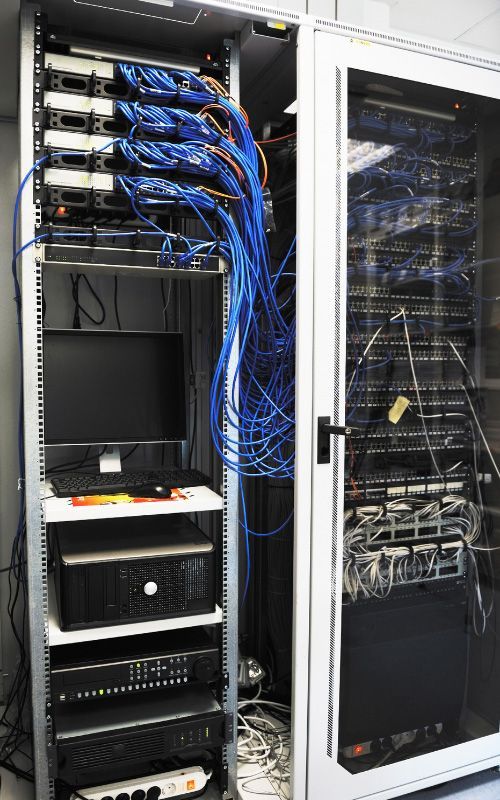
Many business owners overlook the IT or telecommunication rooms that often are shared with other tenants in the building. If your business security system runs on that network and someone damages the telecommunications equipment, your system could be impacted.
There's also the risk of being locked out when a different business in the building has an emergency. If another tenant has a fire, you may not be allowed back into your own space, even if your business had nothing to do with it. What is your contingency plan if that happens? How will you operate? These are questions worth asking before you ever move a single box.
What New Builds in Burlington and Hamilton Get Wrong
There's a lot of new construction in the greater Hamilton, Ontario area, which can also increase crime. Lots of new buildings mean lots of contractors and deliveries coming and going from units without security systems or professional security guard services in place. Someone scoping out a space for the wrong reasons will simply put on a hard hat and work boots and walk right through, unnoticed by anyone.
During construction, doors often get propped open for convenience with little to no one looking out. Overhead doors in industrial facilities aren't always reinforced yet, because that extra layer of protection is usually something the tenant adds after moving in, not something built into the building. Rekeying after the work is done is often missed, leaving people with access long after it should have ended.
This is where an access control system earns its keep. You can set a key fob to expire on a specific date, for a specific employee, without ever needing to physically collect it back. It's one of the simplest tools for closing security risks before they become problems.
A Quick Walkthrough Before You Call Anyone
Burlington and Hamilton businesses often don't worry about break-ins if they've never experienced one. That doesn't mean that their security needs are being met. If you can spare twenty minutes this week, here's what to check first.
- Do your entry doors close, latch, and lock easily, without needing to be forced?
- Is there a roof hatch, and is it closed and secure right now?
- Where is your IT or network room, and who actually has access?
- If you store high-value inventory or other assets, are they properly secured?
- Has your space been rekeyed since the last tenant left?
- Is there a leftover construction lockbox still hanging on the door?
- Do you have security cameras or video surveillance covering entry points and shared areas?
None of this is complicated. Reliable protection often is in the plain, unglamorous stuff that gets overlooked because nobody's looking at it.
When to Call a Security Professional
While every move-in to a new building should start with a risk assessment with a security professional, not every gap needs a security services expert in the room right away. If you’re waiting for a scheduled consultation and assets are already in the building, some basic things can help. For example, park equipment against overhead doors at night instead of keeping them in a service area, confirm you or your landlord handled rekeying, and time deliveries so they don't sit unattended.
The bigger picture is once you build security into how your business runs, day-to-day operations get easier, not harder. Your team feels safer coming to work, you stop wondering about the gaps you don’t know about, and you have more time to run your business.
As one of the security companies in Hamilton and Burlington that businesses have trusted for over 30 years, we're ready when you are. Reach out to us, and we'll help you close the gaps you inherited with customized security solutions.

Frequently Asked Questions
Can I reuse the previous tenant's security system when I move into a new commercial space?
It's usually better to start fresh for alarm and surveillance systems. Generally, security alarm and video surveillance installation professionals are not a regulated trade like electrical or plumbing, so there's no standard code the last tenant's system was built to. It was designed around their operation, not yours. That said, if you need extra low voltage cabling for other purposes while security work is already underway, that can often be bundled in to save cost.
Conclusion: Reusing old equipment can save money short term, but a system built for someone else's business rarely fits yours.
What happens if an alarm monitoring contract is still in the previous tenant's name?
If you're the one leaving a space, always cancel your monitoring in writing the moment your lease ends, even if that's the exact date and time it expires. If you're moving into a space where the previous tenant never cancelled, the new service provider will physically remove the old business alarm system's equipment. Once it's disconnected, it's no longer active.
Conclusion: Always cancel monitoring in writing when you leave, and don't assume an old system is off until it's physically removed.
What security details get missed most often in multi-tenant commercial buildings?
Common blind spots include what time shared entry doors lock and unlock, and who checks the IT, network, or common telecommunications room to make sure it's secure. Shared IT rooms in particular are often left wide open, and damage there can take an entire security system offline since many systems rely on network connections. What happens to your access to your unit if a neighbouring tenant has an incident like a fire? Do you have a contingency plan?
Conclusion: Shared spaces in multi-tenant buildings carry risks that go beyond your own unit's four walls.
How often do spaces get rekeyed after a tenant moves out?
Not often enough. It's common to find a business with twenty active staff, plus another ten former employees, who all still technically hold working keys. High-security keys can only be duplicated by a specific locksmith, while standard keys can be copied freely, which makes tracking who has access even harder over time.
Conclusion: Assume a space hasn't been rekeyed unless you confirm it directly, since old keys often stay in circulation for years. Leverage an Access Control or Card Access System to minimize costs of re-keying, managing keys and users.
What should a business owner check before calling a security company?
A short walkthrough covers most of it. Check that entry doors close, latch, and lock easily. Look for a roof hatch and confirm it's closed and locked. Identify where the IT, network room and telecommunications room is and who has access to it. Confirm whether high-value assets are properly secured, and check for a leftover construction lockbox that should be removed.
Conclusion: A twenty-minute self-check can catch the most common gaps before a professional ever steps on site.
Is it too late to improve security once I've already moved into a new space?
No. While contacting a security provider early makes scheduling easier, there are steps to take in the meantime if assets are already on site. This includes parking equipment against overhead doors overnight, confirming rekeying was handled, and timing deliveries so they don't sit unattended.
Conclusion: Even after move-in, there are practical steps to reduce risk while waiting for a full security assessment.
A1 Security Systems is a security solutions provider that works with business owners who want to protect their property and their people. We ensure their security 24/7 so they feel safe and comforted in the knowledge that our dedicated security team has got their back. Unlike our competitors we don’t force our clients into long term contracts, and we can handle complex security requirements throughout Canada. Read more about our services on https://www.a1securitysystems.ca/

